


Mary Rogers
On the night of July 25, 1841, Mary Rogers, who lived in New York City, told her mother and fiance she was spending the evening visiting relatives in New Jersey. The 21-year-old left and never returned home. Three days later, her badly beaten body turned up floating in the Hudson River near Hoboken, New Jersey. No one could imagine who might have had a motive to harm Mary—other than her fiance. However, he had an airtight alibi.Mary attracted a slew of admirers, who knew her as the “beautiful cigar girl” from her job working in a downtown cigar emporium. No one seemed to suspect a stalker might be involved in her disappearance. The only witness claiming to have seen Mary that night told a story involving an illegal abortion ring that didn’t seem to fit and couldn’t be corroborated. Within a year, the case had gone cold, and Mary’s fiance had committed suicide by overdosing on a type of opium on the very shores her body had washed up.
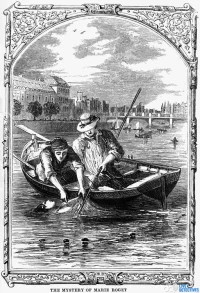
The whole tragic tale might have faded from history, except that author Edgar Allen Poe, who had become obsessed with this case, memorialized it in the short story The Mystery of Marie Rogêt, a sequel to his famous The Murders in the Rue Morgue. Similar to its real-life counterpart, the tale ends with the trail going hopelessly cold. Thanks to Poe’s tale of mystery, this became one of the most famous unsolved murders of its time.
*** Culture Club/Getty Images Edgar Allan Poe fictionalized the story of Mary Rogers in his work “The Mystery of Marie Rogêt.”
- Date Discovered
- Jul 25, 1841
